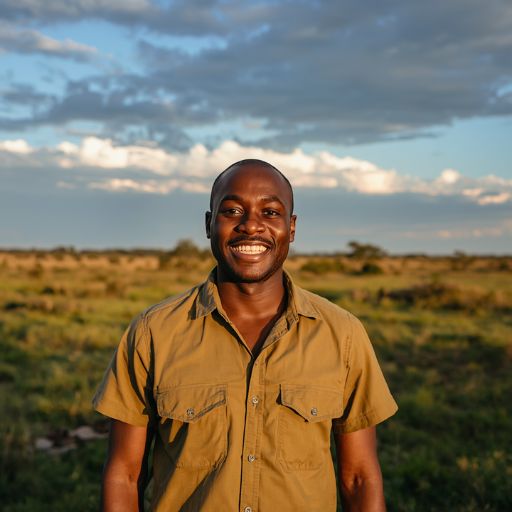
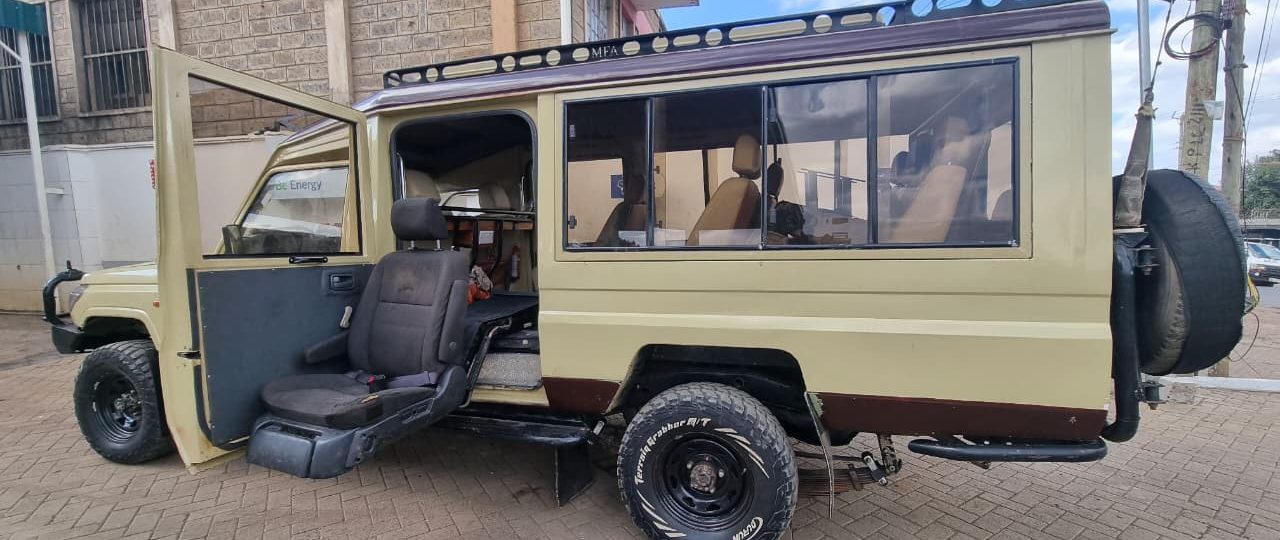
Mkomazi National Park is one of Tanzania's most unique, raw, and uncrowded safari destinations. Spanning 3,234 square kilometres, it shares a seamless northern border with Kenya's Tsavo West National Park, forming a massive continuous transboundary ecosystem.
Unlike the lush Ngorongoro or the wide Serengeti grasslands, Mkomazi is characterised by a beautiful semi-arid landscape of classic African scrub, baobab trees, and jagged volcanic ridges. But its ultimate claim to fame is conservation: it is Tanzania's chosen safe haven for intensive breeding programmes for the Eastern Black Rhinoceros and the African Wild Dog — two of Africa's most critically endangered mammals.
"Mkomazi is not a park you visit for the crowds or the comfort. You go because it is real. Untouched, unhurried, and quietly saving two species from extinction."
🦏
Mkomazi National Park, Tanzania
Mkomazi is located in northeastern Tanzania, straddling the Kilimanjaro and Tanga administrative regions. It sits at the base of the spectacular, blue-hued Pare and Usambara mountain ranges, and is easily accessed right off the main Arusha–Dar es Salaam tarmac highway.
It makes a brilliant alternative detour for travellers exploring the lesser-frequented eastern routes or heading down toward the beaches of Pangani and Zanzibar. To the north, it shares a seamless boundary with Kenya's Tsavo West National Park, forming one of East Africa's great transboundary ecosystems.
Mkomazi is a classic dry-country park. Game viewing centres entirely around the dry months when animals concentrate near the park's waterholes and dams. What changes with seasons are visibility, Kilimanjaro views, and crowd levels (which are always near zero).
The absolute best time for game drives. Vegetation dries out and grass drops to the dirt, offering superb visibility across the plains. Large herds of migratory elephants, giraffes, zebras, and rare dry-country antelopes congregate predictably around the Dindira Dam. Temperatures are comfortable and mornings are clear.
Short, crisp afternoon rains settle the dust and trigger a gorgeous green transformation across the semi-arid bush. Migratory birds flood the area, transforming Mkomazi into a secret bird-watching paradise with over 450 species active across the park.
The weather turns warm and brilliantly dry. Clear mornings deliver spectacular, unobstructed views of the ice-capped summit of Mount Kilimanjaro rising on the northwest horizon — a dramatic backdrop to the semi-arid plains. Resident wildlife remains year-round at the rhino sanctuary and wild dog centre.
The park receives heavy precipitation. Black cotton soil on certain tracks becomes slick and muddy, requiring expert 4x4 navigation. But camps offer rock-bottom promotional rates during this lush, quiet window — and the park, already one of Tanzania's least-visited, falls into near-complete solitude.
Run in partnership with international conservation trusts, this highly secured fenced sanctuary offers a rare, up-close opportunity to track and view the critically endangered Eastern Black Rhinoceros while learning about active anti-poaching operations.
Mkomazi played a historic role in saving the African Wild Dog from local extinction. Observe these fascinating, highly social carnivores at the breeding centre and learn how successfully vaccinated packs have been rewilded across East Africa.
Mkomazi is the only place in Tanzania to reliably see unique northern dry-country species — the Gerenuk (which stands on its hind legs to eat leaves), the majestic Fringe-Eared Oryx, and the striking Lesser Kudu. Nowhere else in Tanzania offers this.
Getting to Mkomazi is smooth and entirely on paved roads — no exhausting remote dirt highways before you reach the gate.
Travel southeast along a fully paved, smooth tarmac highway from Arusha or Moshi. The route runs along the foot of the Usambara Mountains until you reach the Zange entry gate near Same. Highly cost-effective and easy.
For upscale itineraries, board a private charter bush flight directly to the newly upgraded Kisima Airstrip located right inside the national park boundaries — placing you instantly next to the rhino sanctuary.
Choose between staying inside the park (intimate wilderness immersion, hearing wild dogs at night) or in Same town (budget-friendly highway access for day trips).
Wake up inside the reserve to the nighttime calls of wild dogs, hear elephants at the waterhole, and start early morning drives directly from your tent. The most immersive way to experience Mkomazi.
Economical options right on the main Arusha–Dar highway, ideal for road trips, mixed itineraries, and travellers doing a day trip into the park and continuing south toward the coast.
Tanzania Travel Expert
8+ years · 2,400+ consultations
Get direct, honest advice on rhino sanctuary access requirements, the best dry season timing, and how to combine Mkomazi with a Kilimanjaro climb or the Northern Circuit.
📞 Book a Free CallWe believe the magic of Tanzania belongs to everyone. Larema pioneered accessible safari travel in East Africa — from the vast Serengeti plains to the summit of Kilimanjaro, we ensure no one is left behind.
"Standing five metres from a Black Rhino inside the sanctuary while our ranger explained the anti-poaching programme was one of the most emotional wildlife moments of my life. Mkomazi changed how I see conservation."
"I am a wildlife photographer and Mkomazi is the most underrated park in East Africa. Zero vehicles, no tourist buses — just us, our guide, and the entire wilderness. The Gerenuk shots alone were worth the entire trip."
"We came for the wild dogs. We stayed for the sunrise over the Pare mountains with Kilimanjaro on the horizon. Larema added Mkomazi as a two-day extension to our Kilimanjaro climb and it was the perfect ending to our Tanzania adventure."
Tell us your travel dates, and we'll craft a personalised Mkomazi itinerary within 3 hours.
Available 7 days a week · Response guaranteed within 3 hours